The Ultimate Kyoto Travel Guide | Perfect 3-Day Itinerary
TravelTalk24 Team
Travel Experts
Kyoto is the cultural and historical heartbeat of Japan. Unlike the neon-drenched, fast-paced streets of Tokyo, Kyoto offers a tranquil journey back in time. Home to thousands of classical Buddhist temples, Shinto shrines, traditional wooden machiya houses, and pristine zen gardens, it is a city where ancient traditions remain a part of everyday life.
Because the city's sights are spread out across surrounding hills and districts, planning is crucial. You can capture the absolute essence of Japan's former imperial capital in a well-paced trip. Drawing directly from our latest travel insights, we have built the perfect 3-day Kyoto itinerary to help you balance famous landmarks with quiet, hidden gems.
Kyoto Travel Guide | 3 Days in Japan's Cultural Capital
Important Pre-Trip Planning Details
Before mapping out your daily temple runs, keep these essential travel and logistical tips in mind to ensure your Kyoto holiday is seamless:
- Transportation Cards: Purchase a Suica or Pasmo IC card (or add it to your Apple Wallet). Kyoto relies heavily on its extensive bus network rather than just subways, and tapping your card is much faster than dealing with exact change.
- Beat the Crowds: Kyoto suffers from overtourism during peak seasons. If you want to photograph the famous Fushimi Inari gates or the Bamboo Forest without hundreds of people in the background, you must arrive by 6:30 AM or 7:00 AM.
- Currency & Etiquette: Japan uses the Japanese Yen (JPY). While card acceptance has improved, carrying cash is still vital for temples, small shrines, and street food. Also, remember to be quiet on public transport and never leave a tip at restaurants—it can be considered rude.
- Best Time to Visit: Spring (late March to early April) for the breathtaking cherry blossoms (sakura), or Autumn (November) for the incredibly vibrant red maple leaves (koyo).
The Step-by-Step 3-Day Itinerary
| Day | Focus Area | Core Highlights & Sights |
|---|---|---|
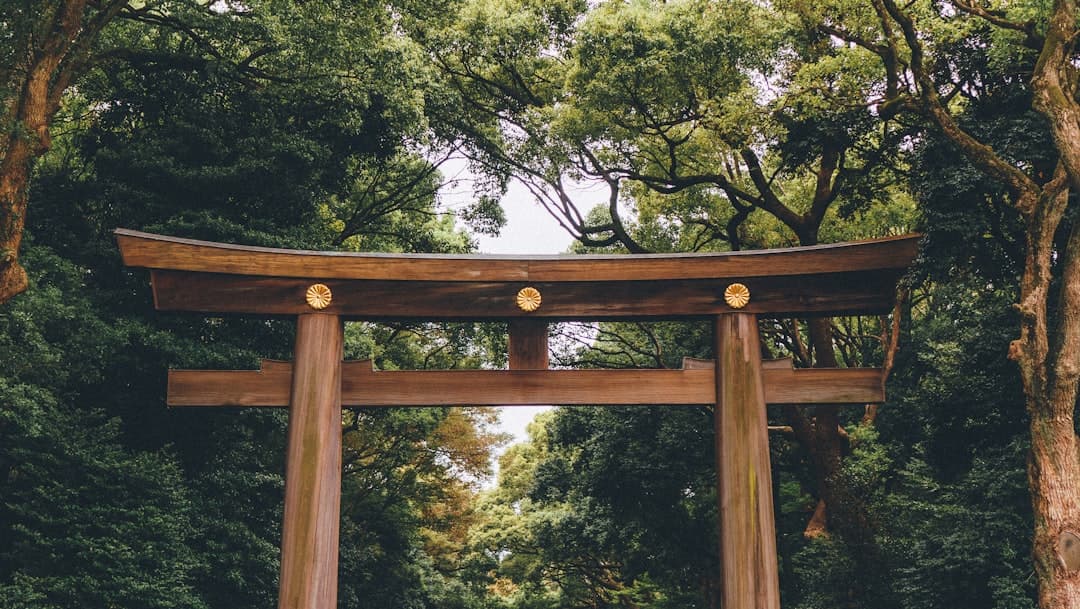
| Day 1 | Southern & Eastern Kyoto | Start before dawn at the Fushimi Inari Taisha to hike through thousands of vermilion torii gates. In the afternoon, explore the grand wooden terrace of Kiyomizu-dera temple, then wander the preserved historic streets of Sannenzaka and the geisha district of Gion at dusk. |
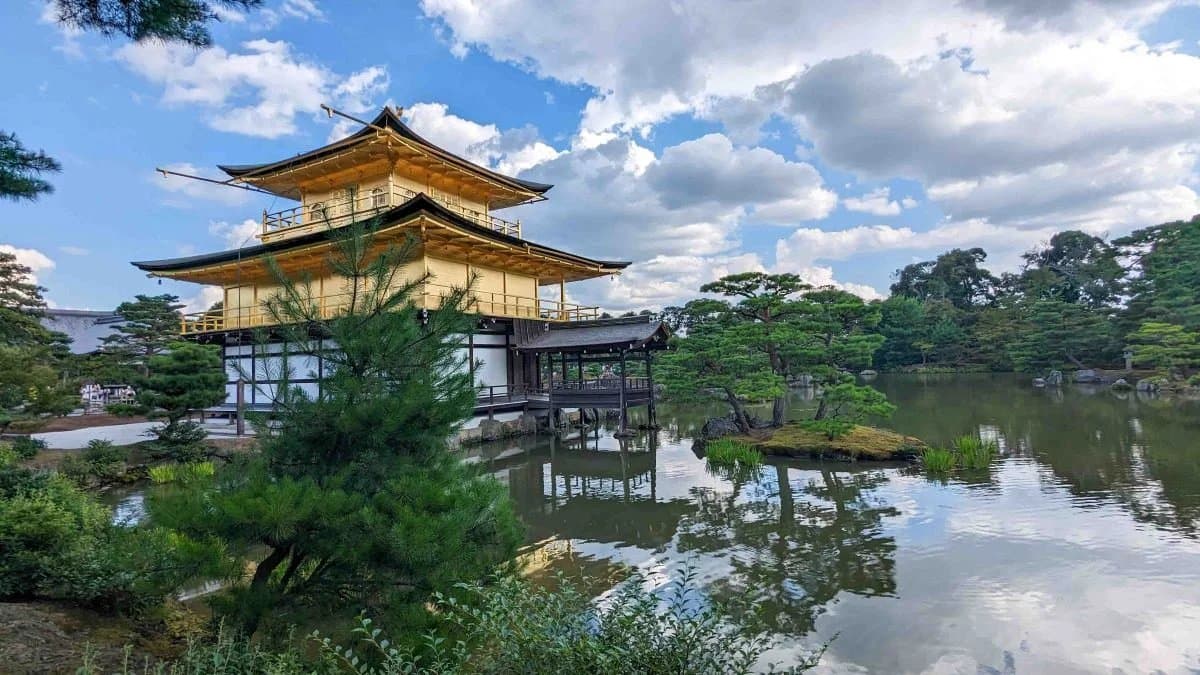
| Day 2 | Northern & Central Splendor | Begin at the iconic Kinkaku-ji (The Golden Pavilion) gleaming over its reflective pond. Walk through the Zen rock garden at Ryoan-ji, tour the historic Nijo Castle with its 'nightingale' floors, and spend your afternoon eating through the bustling Nishiki Market. |
| Day 3 | Arashiyama & Western Kyoto | Head west early to walk through the towering stalks of the Arashiyama Bamboo Grove. Visit the serene Tenryu-ji Temple, cross the Togetsukyo Bridge, and take a short hike up to the Iwatayama Monkey Park for incredible city views alongside wild macaques. |
Must-Try Traditional Kyoto Cuisine
Kyoto's culinary scene is famous for its refinement and delicate flavors. From high-end multi-course dinners to casual street snacks, make sure you try these local specialties:
- Kaiseki Ryori: The ultimate traditional multi-course Japanese dinner. It balances taste, texture, appearance, and colors, utilizing only fresh seasonal ingredients.
- Matcha Everything: Kyoto is right next to Uji, Japan's premier tea-producing region. Try matcha (powdered green tea) in all forms—hot tea, ice cream, parfaits, and traditional wagashi sweets.
- Yudofu (Tofu Hot Pot): A simple but incredibly comforting dish originally created by Buddhist monks in Arashiyama. Soft, silken tofu is gently simmered in a kelp broth and dipped in ponzu sauce.
“Kyoto requires you to slow down. The beauty of this city isn't just in the grand temples, but in the quiet details—the moss in a Zen garden, the smell of incense in the air, and the precise pour of a traditional tea ceremony.”
— Travel Insights Team
Coordinate Your Ultimate Japan Adventure
Mapping out complex bus routes, tracking early morning sunrise times for temple runs, and storing your Shinkansen (bullet train) tickets requires precise planning. To build, structure, and navigate your Japanese travel routes effortlessly, compile your plans on the premier travel app, TravelTalk24.
 Download on iOS
 Get it on Android
Tags