Visiting Iceland in October? The Ultimate Travel & Weather Guide
TravelTalk24 Team
Travel Experts
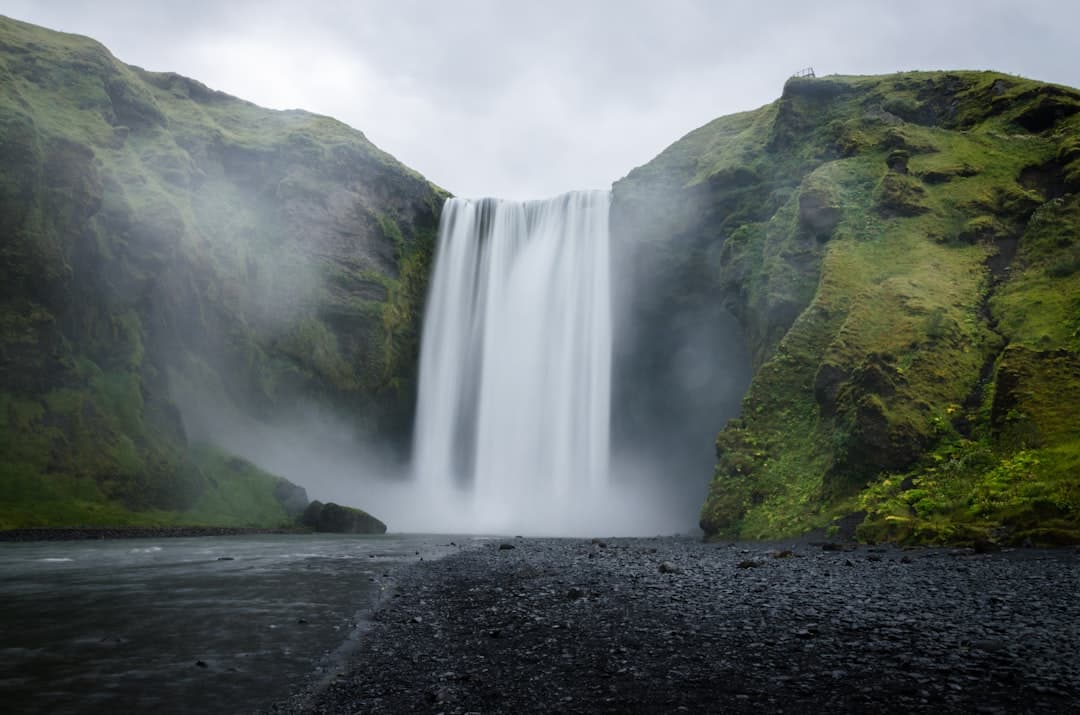
October is an incredibly unique and beautiful month to visit Iceland. You get the best of both worlds: crisp autumn colors blending into the first glimpses of winter snow, fewer crowds than the peak summer season, lower prices, and an excellent chance to see the Northern Lights. However, October also brings unpredictable weather, strong autumn storms, and decreasing daylight hours. Here is everything you need to know before visiting Iceland in October.
Watch the Complete Guide to Visiting Iceland in October
Weather & Daylight Hours
The start of October often feels like late September, featuring crisp autumn air. However, by the end of the month, winter conditions usually begin to set in. Average temperatures hover between 0°C and 7°C (32°F - 45°F).
- Wind and Rain: October is one of the rainiest months. Strong autumn storms can roll in quickly, and the fierce Icelandic wind can make it feel much colder than the thermometer indicates.
- Daylight: You will have around 11 hours of daylight at the beginning of the month, dropping to about 8 hours by Halloween. You'll need to keep an eye on the clock when sightseeing.
Chasing the Northern Lights
The longer, darker nights make October a fantastic month for spotting the Aurora Borealis. The best place to see the Northern Lights isn't a specific spot, but rather anywhere that is dark and away from light pollution.
Pro Tip: Use the website vedur.is. It features a special Aurora forecast map where green areas indicate cloud cover and white areas show clear skies. The scale on the right (0-9) predicts the strength of the solar activity.
What to Pack: The Layering System
Since you will be moving between warm cars and freezing, wet outdoor conditions, layering is crucial. Do not rely on one massive, heavy winter coat. Instead, pack the following:
- Base Layer: Merino wool t-shirts or long johns. Merino wool regulates body temperature, keeps you warm even if it gets wet from sweat, and doesn't hold odors.
- Mid Layer: A light down jacket, a warm fleece, or a traditional Icelandic wool sweater (Lopapeysa).
- Outer Layer: A high-quality waterproof and windproof shell jacket and waterproof hiking pants. If rain is heavy, rubber raincoat layers are excellent additions.
- Accessories: A buff/scarf, a warm woolen hat, and thin waterproof gloves (which are often more practical than thick snow gloves for operating a camera).
- Footwear: Leave the sneakers at home. Bring sturdy, waterproof hiking boots that sit above the ankle to navigate muddy trails and snow. Simple strap-on crampons are also highly recommended for icy waterfall trails.
Driving & Road Conditions
Driving conditions in October change rapidly. Early in the month, roads are generally clear, but by late October, expect ice patches and snow, especially in the North, East, and Westfjords.
- Rent a 4x4: If you plan on driving the entire Ring Road, investing in a 4x4 vehicle is strongly recommended. (Note: The interior Highland F-roads are closed by October).
- Check Conditions Daily: Always check road.is for road closures and conditions, and vedur.is for wind speeds and weather forecasts before heading out.
- Safety First: If a strong snowstorm hits and a mountain pass is closed, NEVER attempt to drive through it. It is illegal, highly dangerous, and rescue fees are exorbitant.
Campervans & Activities
Many campsites close by the end of September, so you will need to map out the ones that stay open year-round. Renting a campervan in October is an excellent idea because it offers ultimate flexibility. If the South Coast is experiencing relentless rain, you can simply change your plans and drive North where it might be dry and clear.
In terms of activities, all main sights along the Ring Road (waterfalls, black sand beaches, hot springs) are open and far less crowded. While puffins have migrated away by August, you might still spot reindeer, Arctic foxes, and whales. If the weather turns foul, pivot to indoor or weather-proof activities like snorkeling the Silfra Fissure, visiting ice caves, relaxing in geothermal pools, or exploring the Lava Show.
Tags
 Download on Google Play
 Download on App Store