Europe Travel Tips for First-Timers: Insane Budget Hacks & Mistakes to Avoid
TravelTalk24 Team
Travel Experts
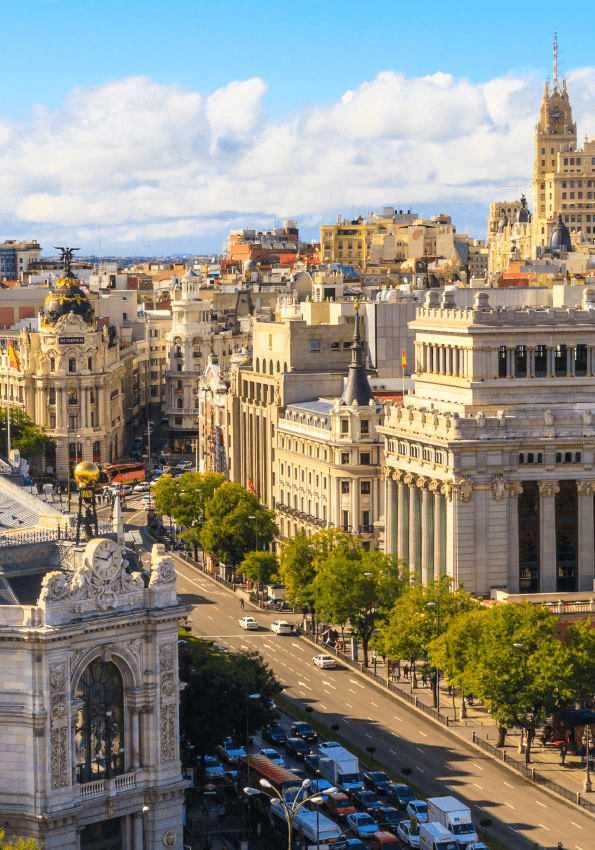
If you've ever felt that a trip to Europe is out of your budget, too difficult to plan, or simply impossible to achieve, it's time to change that mindset! From cobblestone streets and the Northern Lights to towering Alps and historic churches, the European continent has so much to offer.
Based on the insights shared by travel expert Aakanksha Monga, who has visited Europe multiple times, we've compiled the ultimate guide to planning a trip to Europe without going broke. Let's break down everything you need to know!
Watch the Complete Europe Hacks Video
When is the Best Time to Go?
Your experience depends heavily on when you visit:
- Summer (Mid-April to Mid-June): This is the sweet spot. The weather is warm but not unbearable, you get sunlight until 9:00 PM or 9:30 PM, and you avoid the crazy peak crowds.
- The "Avoid at All Costs" Season (Mid-June, July, August): This is peak summer. It is extremely crowded, hot, and insanely expensive as most Europeans also take their vacations during this time.
- The Shoulder Seasons (September, October, November & April): The absolute best time for budget travelers! Hostels are cheap, experiences are discounted, and you won't be surrounded by thousands of tourists.
- Winter (January, February, March): If your goal is to see the Northern Lights in Scandinavia (Norway, Finland, Sweden) or experience the magical Christmas markets in Germany or France, this is the time to go. Note: The Northern Lights are actually strongest around February/March!
Where to Go: Choosing Your Vibe
The Schengen Visa allows you to visit 29 countries in Europe. The best hack is to combine expensive countries with budget-friendly ones:
- For Nature Lovers (High Budget): Switzerland, Norway, and Iceland. (Hack: Balance Switzerland by heading to Austria and the Czech Republic right after!).
- For Nature Lovers (Low Budget): Albania and Montenegro. Incredible mountains, lakes, and old towns at a fraction of the cost.
- For Beaches & Sunshine: Spain and Portugal. If you're on a strict budget, swap them for Croatia.
- For Food, Culture, and History: Italy is unbeatable. For modern food scenes and Michelin-star dining, check out Copenhagen (Denmark) or Amsterdam (Netherlands).
Accommodation Hacks: Save Big on Stays
Do NOT just book a hotel in the center of the "Old Town" without doing your research. In party destinations like Budapest or Kotor, the center can be cramped, loud, and overpriced. Instead, look for places 5–10 minutes outside the center near a bus or tram station.
- Hostels: The best budget option. You don't have to stay in a dorm; many hostels offer private rooms! They often have free tours, family dinners, and kitchens to cook your own meals.
- Airbnbs: Great for getting an entire apartment with a kitchen and washing machine. Always check for hidden cleaning fees and ask how many stairs there are (many old European buildings lack elevators!). Read reviews to ensure the host is welcoming.
Getting Around: Trains, Buses & Flights
Forget taking cabs in Europe—they are notoriously expensive! Always use the incredible public transit systems.
- Trains: The Eurail Pass is fantastic if you are doing multiple countries over several days. The scenic views are unmatched.
- Buses (FlixBus): The ultimate budget option. Take an overnight bus to save on both transport and a night's accommodation!
- Budget Flights (Ryanair, Wizz Air): You can find flights for as low as $20-$30, but ONLY if you travel with a carry-on bag. Checked luggage will double or triple the price. (Hack: Use luggage storage apps like Bounce to leave your big bags behind during short trips!).
Packing & Money Essentials
- Pack Light: Cobblestone streets and heavy suitcases do not mix. Use a backpack if possible. Pack in layers, bring a universal adapter, and wear comfortable walking shoes (expect 10k+ steps a day).
- Water is Free: Bring a reusable water bottle. Tap water is safe to drink almost everywhere in Europe.
- Money & Forex: Do not use your regular debit/credit card to avoid high markup fees (often ~3.5%). Carry a Zero Forex Credit Card (like Scapia) for purchases and a Zero Forex Debit Card (like Fi/Federal Bank) for ATM withdrawals.
- Cash-Heavy Countries: Surprisingly, countries like Germany, Austria, and Italy are still very cash-reliant. Always carry some smaller Euro bills when visiting them.
- Not Everywhere Uses Euros: Remember that countries like Switzerland (Swiss Franc) and Hungary (Forint) use their own currencies!
Tags

 Download on Google Play
 Download on App Store